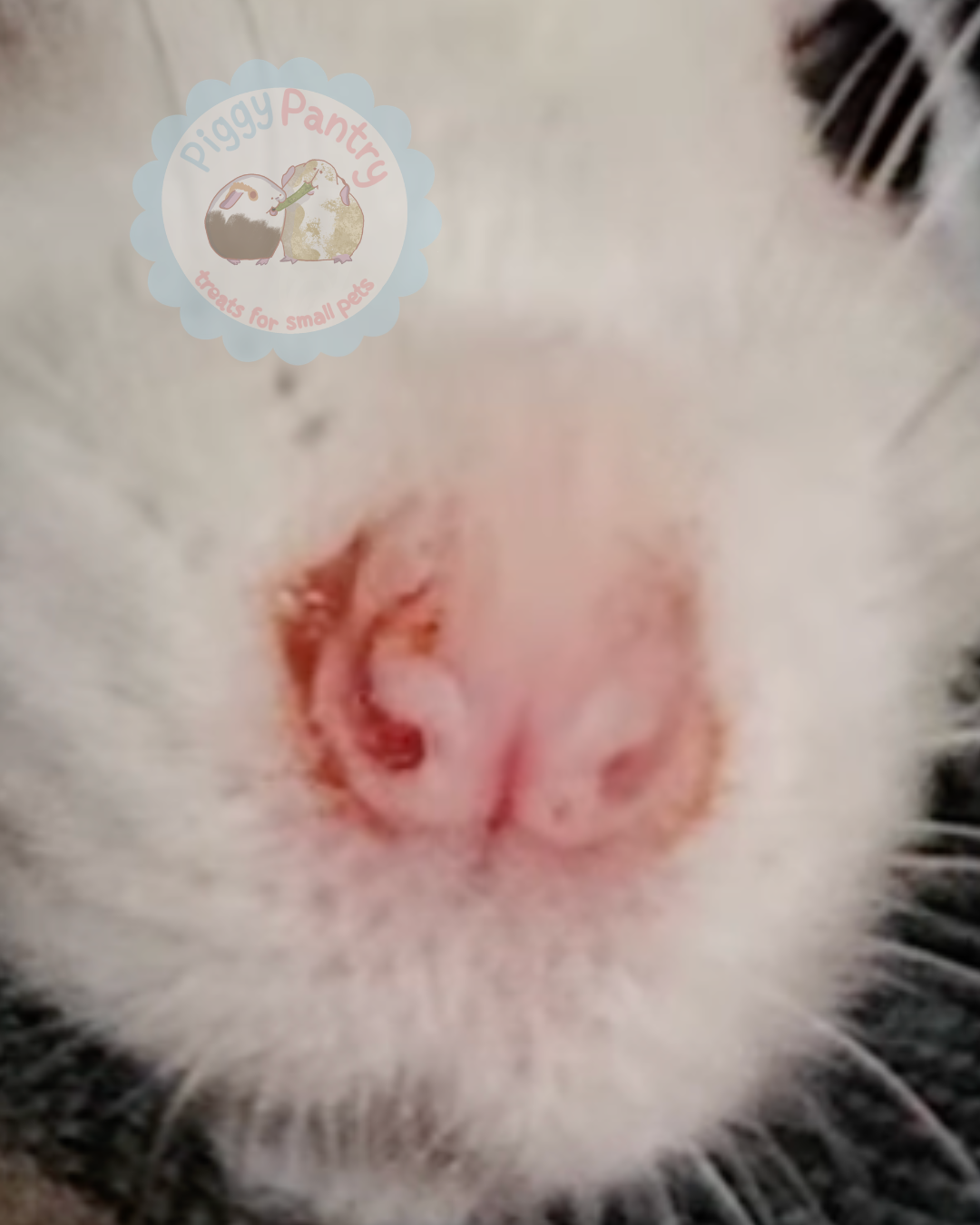
For the first rat care article, I'm going to talk about one of the most important health topics. In fact, many of the first rat care articles are going to be about their health, as they are very prone to illness. Rats are prone to respiratory infections, which can range from mild sniffles to life-threatening pneumonia. Knowing the signs and symptoms of respiratory infections in pet rats can quickly determine treatment plans. Please remember I am not a vet and this information is purely based on research and personal experience.
What Causes Rat Respiratory Infections?
Rat respiratory infections are usually caused by bacteria, viruses, or a mix of both. Some are mild and manageable, while others can become chronic or even fatal if left untreated.
Bacterial causes
- Most common chronic respiratory disease in pet rats
- Also called "chronic respiratory disease" (CRD) or "murine mycoplasmosis"
- A lifelong infection that typically begins early in life
- Weakens the respiratory system, making rats highly susceptible to secondary bacterial infections
For a definitive diagnosis:
- PCR test (most accurate, using nasal/tracheal swabs)
- Serology/antibody test (shows exposure but not necessarily active infection)
- Bacterial culture (less reliable as Mycoplasma is hard to grow)
- Occasional sneezing, becoming more frequent
- Clear nasal discharge
- Red porphyrin staining
- Ruffled or "puffed up" fur
- Mild lethargy and slight weight loss
- Laboured breathing
- Crackling or wheezing sounds
- Eye crustiness
- Not eating or drinking
- Highly contagious, particularly in young, immunocompromised, or stressed rats
- Often acts as a secondary invader in rats with pre-existing conditions like MRM, Sendai virus, or SDAV
- Can kill within 24 to 72 hours if left untreated
Please rush to the emergency vet.
- Sudden lethargy
- Ruffled fur
- Reduced appetite
- Occasional sneezing, eventually worsening
- Porphyrin staining and nasal discharge
- Rapid or "popcorn" breathing
- All prior symptoms, worsened
- Hunched posture
- Eye crustiness or squinting
- Rapid weight loss
- Cyanosis (blue gums)
- Not eating or drinking
- Neurological signs
- Collapse or coma
- Often a secondary invader in rats with MRM or Sendai virus
- Commonly found as a normal inhabitant of the respiratory and digestive tracts of healthy rats
- Typically causes no harm in immunocompetent animals
- Can become a secondary pathogen if the rat is stressed, old, or fighting off a primary virus
For a definitive diagnosis:
- Bacterial culture (from nasal swabs, abscesses, or blood)
- PCR test (less common for Pasteurella but possible)
- Clinical signs and response to treatment (often treated empirically)
- Occasional sneezing
- Clear nasal discharge
- Porphyrin staining
- Ruffled fur
- Mild lethargy and weight loss
- Laboured breathing
- Wheezing or crackling
- Reduced activity
- Hunched or "puffed" posture
- Eye crusting or squinting
- Not eating or drinking
- Leads to abscesses in lungs, liver, or kidneys
- Causes pseudotuberculosis in rats, characterised by multi-organ abscesses
- Many healthy rats carry it latently in their upper respiratory tract
- Can multiply rapidly and cause severe, life-threatening disease when immune system is suppressed
Usually diagnosed by:
- Bacterial culture (from abscesses, blood, or organ tissue)
- PCR test (less common but possible)
- Necropsy (post-mortem examination often reveals abscesses in lungs, liver, or kidneys)
- Clinical signs and response to treatment (often treated empirically)
- Occasional sneezing
- Clear nasal discharge
- Porphyrin staining
- Ruffled fur
- Mild lethargy and weight loss
- Laboured breathing
- Wheezing or crackling
- Reduced activity
- Hunched or "puffed" posture
- Eye crusting or squinting
- Not eating or drinking
- Abscesses (internal or external)
- Swollen abdomen
- Head tilt or loss of balance
Viral causes
Viruses don't always cause direct respiratory damage, but they weaken the immune system, making rats more vulnerable to bacterial infections (like Streptococcus pneumoniae or Pasteurella).
Highly contagious but often mild (sneezing, nasal discharge). Usually resolves in 2 to 4 weeks.
Causes swollen salivary and lacrimal glands but can lead to secondary infections.
What To Do If Your Rat Is Sick
When your pet rat shows signs of a respiratory infection, such as laboured breathing, sneezing, nasal discharge, or lethargy, it's critical to act quickly to prevent the condition from worsening.
First, isolate the sick rat from other rats to avoid potential spread of the infection, as respiratory illnesses in rats can be highly contagious. Ensure their environment is kept clean and well-ventilated, but free from drafts, as stress and temperature fluctuations can exacerbate their condition. Provide soft bedding, easy access to fresh water and their regular diet. Avoid handling them excessively, as this can cause additional stress.
A timely visit to an exotic pet veterinarian is essential, as respiratory infections in rats often require antibiotic treatment to fully resolve. Over-the-counter remedies are not substitutes for professional care. Monitor their symptoms closely, and if breathing becomes severely laboured or they stop eating, seek emergency veterinary attention immediately. Early intervention significantly improves the chances of a full recovery.
While waiting for an appointment, you can turn your bathroom into a makeshift steam room to help clear their airways. Put them in a carrier (not in the water or directly in the shower) and turn the temperature all the way up as warm as it can go and close the door to let it get steamy. If you have a nebuliser it may also have the same effect.
🍫 Dark chocolate and rats
Plain dark chocolate is something spoken about regularly when it comes to treatments for rats. It can soothe, but not cure, respiratory issues. Dark chocolate is never a replacement for vet visits or medication. It's also not a replacement for their natural diet and should be given sparingly.
New Home Sniffles
It's known better as "New Home Sniffles," though occasionally called "building-related illness" or "sick building syndrome." It refers to a range of respiratory symptoms like sneezing, coughing, or fatigue that arise after moving into a new home.
These issues are frequently linked to poor indoor air quality, which can be caused by dust, mould spores, volatile organic compounds (VOCs) from cleaning products or paints, or inadequate ventilation. Pet dander, dust mites, or even hidden moisture issues in walls or carpets can also trigger allergic reactions or irritate the respiratory system. It's common for rats new to your home to experience this, as the change in environment may take 2 to 3 weeks for their system to get used to.
To address the problem, improve the airflow by opening windows regularly, using air purifiers, and ensuring proper ventilation. Identifying and removing the source can help alleviate symptoms and create a healthier living environment. If issues persist longer than 2 to 3 weeks or worsen in that time, it's important to call your local exotics vet and find appropriate treatment for your rat.